
by Keith Landry
The hobby of scale modeling has always balanced craftsmanship with innovation. From hand-carved balsa kits to precision-molded plastic and photo-etched details, modelers have consistently embraced new tools that enhance realism and creativity. Today, artificial intelligence (AI) represents the next major evolution in the hobby, one that is not replacing traditional skills, but expanding what is possible at every stage of the modeling process.
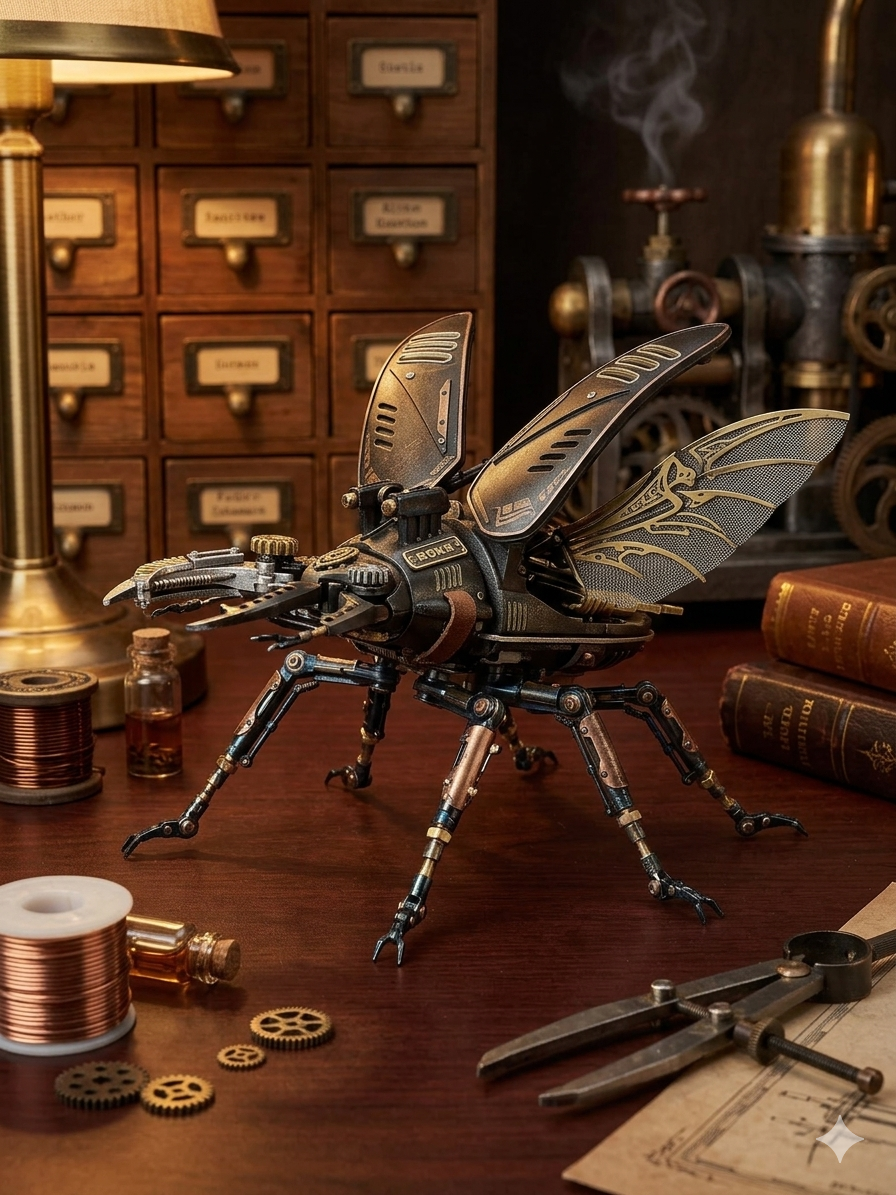
One of the most immediate impacts of AI in scale modeling is planning and conceptualization. Tools like Miniatur AI and Pixelcut AI Diorama Generator allow hobbyists to generate highly detailed miniature scenes or concept art from simple text prompts or reference images. These systems analyze composition, lighting, and scale relationships to produce realistic mockups in seconds, enabling modelers to visualize ideas before committing time and materials.


For members of the Capitol Area Modelers Society, this means diorama planning no longer begins with guesswork or rough sketches alone. Instead, AI can quickly generate multiple variations of a scene — urban battlefields, historical recreations, or sci-fi environments — helping the builder refine composition, storytelling, and layout before construction begins.
Dioramas are where modeling becomes narrative art, and AI is proving to be a powerful storytelling partner. Advanced systems can generate immersive, three-dimensional scene concepts by combining elements of sculpture, painting, and environmental design. This allows modelers to experiment with scale, perspective, and atmosphere in ways that were previously time-consuming or inaccessible. For example, AI can simulate lighting conditions — dawn, dusk, battlefield smoke, or urban decay — helping builders decide how to position figures, vehicles, and terrain for maximum visual impact.


Rather than replacing the physical build, AI serves as a digital sandbox. It allows hobbyists to test ideas, avoid costly mistakes, and push creative boundaries. The end result is often a more cohesive and compelling diorama once translated into physical form.
Painting has long been one of the most challenging aspects of scale modeling. Achieving realistic weathering, color modulation, and lighting effects requires experience and experimentation. AI tools can bridge that gap.

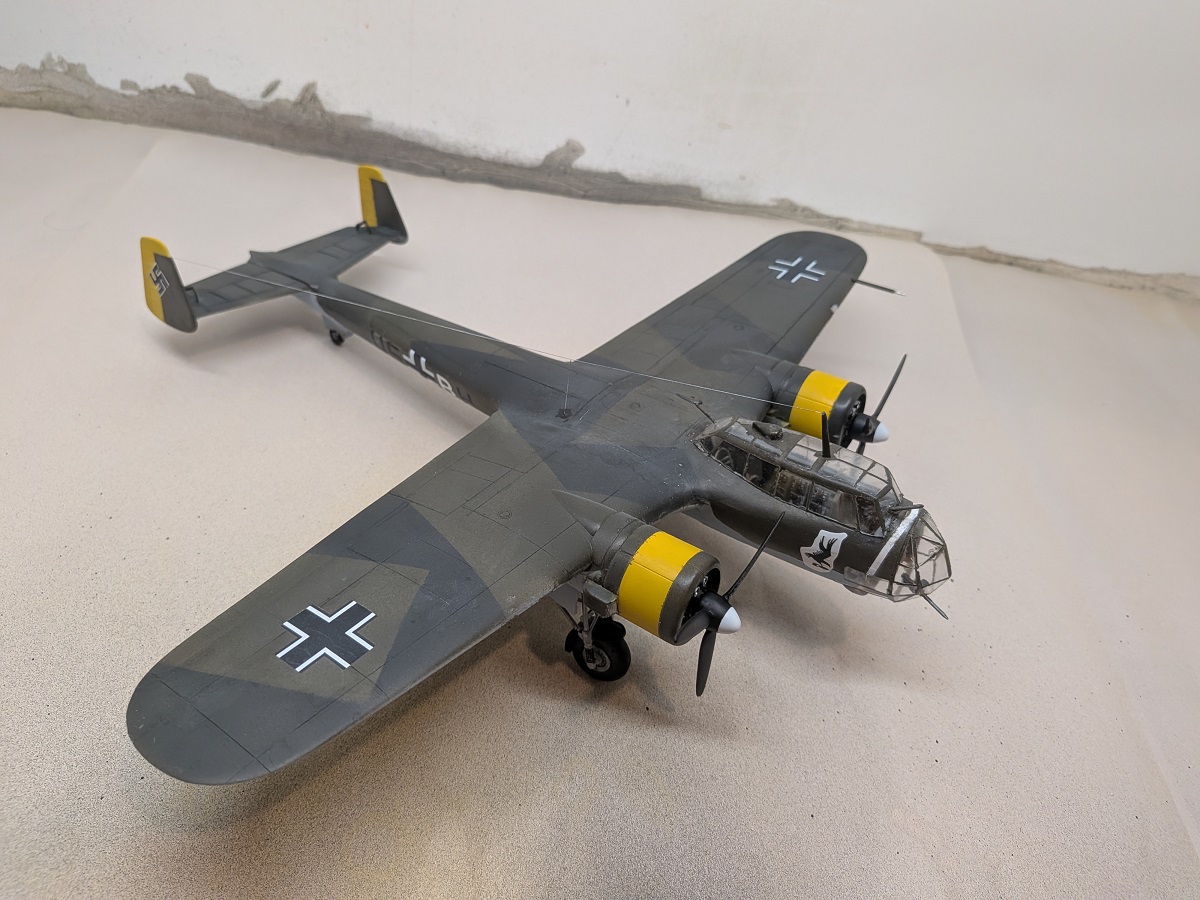
Platforms such as AI MiniPainter Studio allow users to upload images of unpainted miniatures and apply different paint schemes, finishes, and artistic styles digitally. Modelers can preview camouflage patterns, weathering effects, and color palettes before picking up an airbrush. For beginners, this dramatically reduces the learning curve. For experienced builders, it opens the door to rapid experimentation and refinement. A modeler can test multiple approaches — factory-fresh, battle-worn, or heavily weathered — without risking the physical model.
AI is also influencing scratch-building and custom work. By generating detailed miniature concepts with accurate proportions, textures, and materials, AI tools can guide the creation of unique parts and figures. Modelers can use AI-generated references to design custom components, whether through traditional fabrication or modern methods like 3D printing. This is particularly valuable for niche subjects or one-of-a-kind builds where reference material is limited.


Despite its capabilities, AI does not replace the core of the hobby: the hands-on process of building, painting, and finishing a model. As many hobbyists have noted, the satisfaction of holding a completed piece cannot be replicated digitally.
AI-generated designs are only as effective as the modeler’s ability to interpret and execute them. Skills such as seam removal, paint control, weathering, and composition remain essential. In this sense, AI is best understood as a tool, much like an airbrush or CAD software, rather than a substitute for craftsmanship.
The integration of AI into scale modeling also raises important questions. Those in creative communities often raise concerns about originality, artistic ownership, and over-reliance on automation. Some hobbyists worry that AI-generated designs may lead to homogenization or diminish the value of traditional artistic skills.
Additionally, while AI can generate impressive visuals, translating those concepts into physical models still requires practical knowledge of materials, scale limitations, and construction techniques.
Looking ahead, AI is likely to become increasingly integrated into the modeling workflow. Emerging technologies are already exploring the ability to convert photographs into dynamic 3D dioramas, complete with environmental effects and animation. This presents an opportunity rather than a threat. AI can serve as a collaborative tool enhancing creativity, improving planning, and inspiring new generations of modelers.
Artificial intelligence is reshaping the landscape of scale modeling, from initial concept to final presentation. It empowers modelers to visualize ideas more clearly, experiment more freely, and refine their work with greater precision. However, the heart of the hobby remains unchanged. The smell of paint, the careful placement of a decal, the satisfaction of a finished build: these are experiences that AI cannot replace. Instead, AI stands alongside the modeler as a powerful new tool, helping to bring imagination to life in ways previously unthinkable.
Embrace the technology, but keep building.



Leave a Reply